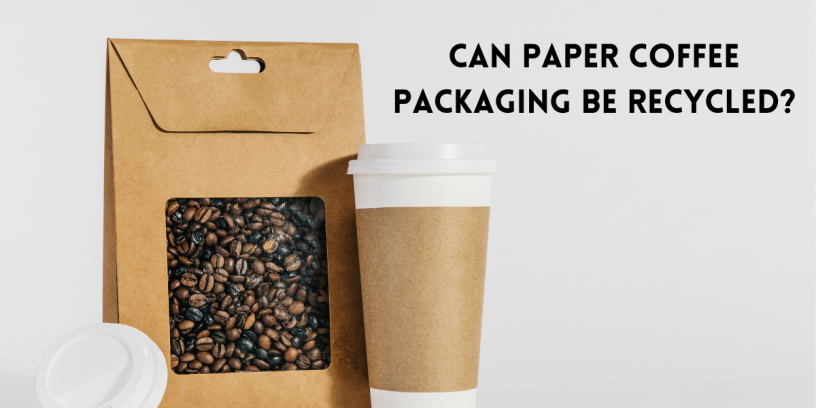


Step into excellence and convenience at Smart Print Express, where their cutting-edge printing and sustainable packaging solutions redefine the art of presenting your coffee brand, ensuring each cup embodies the essence of your unique identity.

Paper coffee packaging is a common sight in our daily lives, reflecting the widespread consumption of this beloved beverage. As consumers become increasingly conscious of their environmental impact, questions about the recyclability of coffee packaging, specifically paper coffee packaging, have gained prominence. Understanding the recyclability of such packaging involves delving into the composition of these materials, recycling processes, and the challenges faced by recycling facilities.
Paper coffee packaging typically consists of a combination of materials, including paper, a plastic lining, and sometimes a layer of foil. The outer layer is often made of paper, providing a printable and aesthetically pleasing surface for branding and information. However, to protect the coffee from moisture and maintain its freshness, an inner plastic lining is commonly used. Additionally, some premium coffee packaging may include a foil layer to enhance barrier properties and further protect the contents from light and oxygen.
The recyclability of paper coffee packaging depends on the specific combination of materials used in its construction. In general, paper is a recyclable material, and many recycling facilities can process it efficiently. However, the challenge arises with the plastic and foil components. The plastic lining, usually made of materials like polyethylene, poses a challenge for traditional paper recycling processes. The separation of paper and plastic during recycling is a complex task that requires specialized equipment and facilities.
While advancements in recycling technology have improved the capability to handle mixed-material packaging, not all recycling facilities are equipped to efficiently process composite materials like those found in paper coffee packaging. The presence of plastic in the packaging can lead to contamination issues during the recycling process, potentially compromising the quality of the recycled paper.
To address these challenges, some coffee brands are exploring alternative packaging solutions that prioritize recyclability. One approach involves the use of compostable materials for both the outer layer and the inner lining. Compostable materials break down into organic matter, reducing the environmental impact associated with traditional packaging. However, for compostable packaging to be effective, it requires specific composting conditions that may not be available in standard household compost bins.
Consumers also play a crucial role in ensuring the recyclability of paper coffee packaging. Proper disposal practices, such as separating paper from plastic components before recycling, can aid in the recycling process. Additionally, awareness campaigns and clear labeling on packaging can educate consumers about the recyclability of specific products.
While the recyclability of paper coffee packaging presents challenges, ongoing efforts within the industry aim to find sustainable solutions. Innovations in packaging design, materials, and recycling infrastructure are essential for creating a more circular and environmentally friendly coffee packaging life cycle. As consumers demand eco-friendly options, the coffee industry is likely to continue evolving its packaging practices to align with sustainability goals.
Transform your paper coffee packaging supplier in Malaysia with Smart Print Express – where premium packaging meets eco-friendly excellence, ensuring your brand leaves a lasting impression!


